
Mission, TX · Garage Door Service
Garage Door Maintenance for Mission-Area Homes
Garage door maintenance built around Mission's 1987-2005 housing stock and severe heat. We service Mission and the surrounding Rio Grande Valley communities.
- Repairs & new doors
- Springs & openers
- Serving 5 nearby communities
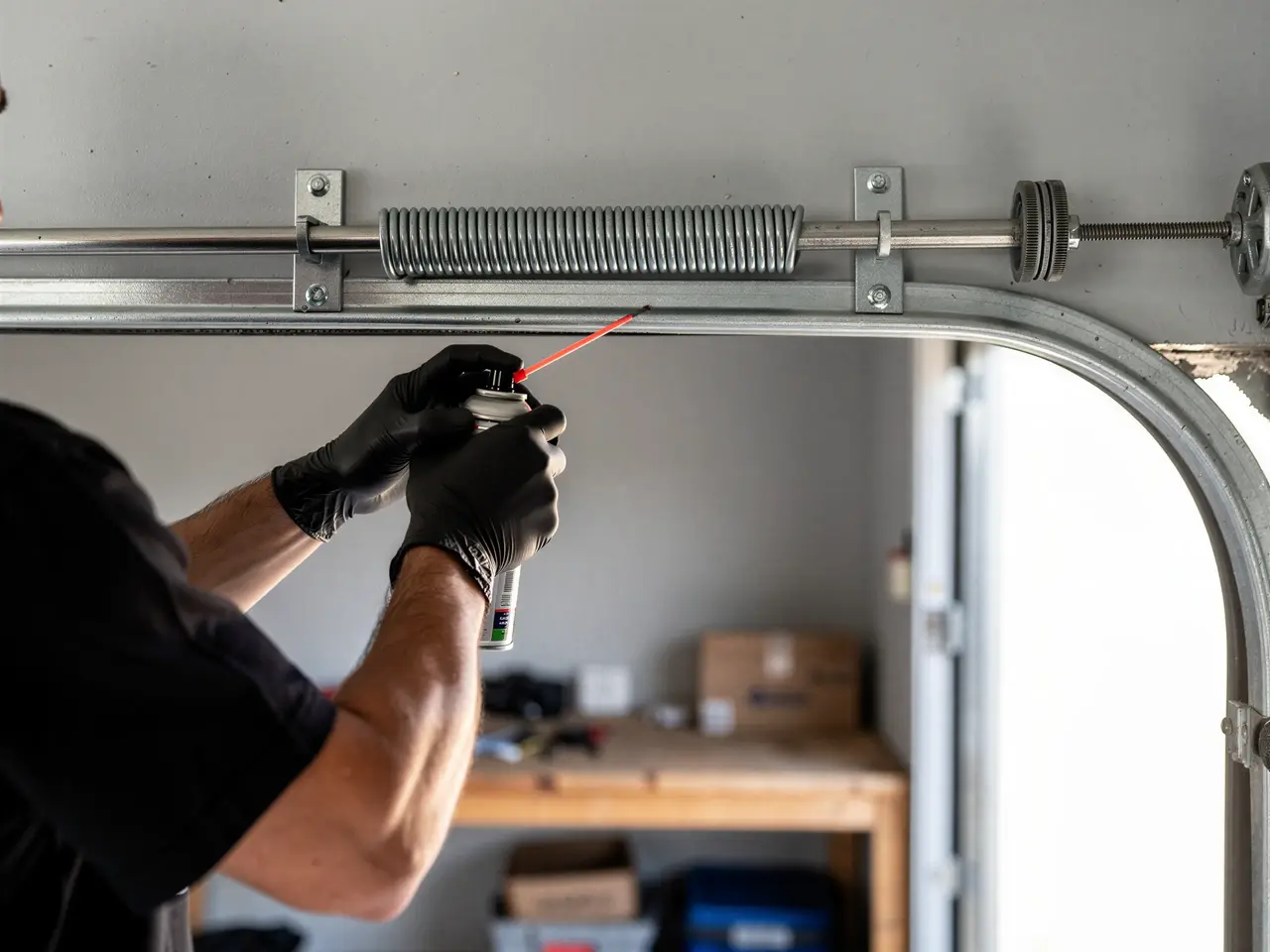
How It Shows Up
Most calls start the same way: the door hesitates before it opens, or it opens fine in the morning and drags by afternoon. On a lot of Mission-area homes, built between 1987 and 2005, that lag is heat doing its work on the track alignment and the opener's force settings. The door isn't broken yet - it's telling you the lubrication has baked off the rollers and the tracks have shifted a hair out of parallel from the metal expanding and contracting all day.
You'll also hear it before you see it. A dry chain drive opener starts rattling, or the torsion spring starts making a faint popping sound as it cycles through its last few hundred turns before it would've snapped cold. None of this looks urgent. That's the problem - owners wait until the door won't open at all, and by then what would've been a twenty-minute service call is a spring replacement with the car trapped inside.
Across the service area - 43,024 owner-occupied houses out of 78,541 households total - this pattern repeats because so much of the stock shares an age and a climate, not because any one house is unusual.
Why It Happens Here
This region sits in a severe heat band, and that matters more for a garage door than people expect. Steel panels and tracks expand in daytime heat and contract overnight, and that cycle - repeated for years on homes built mostly in the late '80s through mid-2000s - works lubricant out of rollers and hinges faster than it would in a milder climate. The factory grease on original hardware from that era wasn't built for 25-plus years of this kind of thermal swing.
It's also an age-of-stock issue, not just a weather one. A door installed in 1997, the median build year across the area, is old enough that its springs are near or past typical cycle life, but the house itself doesn't look old enough for that to be the first thing an owner suspects. Across the 26 named communities in this service area, the housing is consistently 1980s-90s construction, which means a lot of garages are hitting the same failure window at roughly the same time, for the same reason: original hardware, two decades of heat cycling, no maintenance in between.
Where This Job Goes Sideways
Maintenance calls go wrong in two predictable ways. First, someone tries to fix the symptom they can see - lubricating a noisy roller - without checking the spring's wind and the track alignment underneath it. The noise goes away for a few weeks and the real wear keeps progressing. Second, and more common on older torsion setups in this area, an owner adjusts the opener's force settings to compensate for a door that's dragging, instead of finding out why it's dragging. Cranking up the force just means the motor burns out faster, or the door comes down harder on whatever's in its path.
The other place this goes sideways is timing. We work across Mission and the surrounding communities - Palmview South, Palmview, Palmhurst, West Sharyland, Abram, and the other towns within a half-day's radius - and the busiest maintenance calls cluster in the hottest stretches of the year, when heat-stressed hardware finally gives out all at once. Scheduling a check before that stretch, rather than during it, is the difference between a routine visit and an emergency one.
The DIY Question
Some of this is reasonable to do yourself. Wiping down tracks, checking that the door is visually level, and keeping hardware free of dust is fine for any owner with a ladder and a Saturday morning. Lubricating rollers and hinges with the right product, not WD-40, is also a fair DIY task.
What we don't recommend owners touch: the torsion spring, the cables, or the opener's force and limit settings. A torsion spring under tension can cause real injury if it lets go while you're working near it, and getting the force setting wrong on an opener doesn't just mean a noisy door - it means a door that doesn't stop when it should. If your door is dragging, making noise, or closing unevenly and you're not sure why, that's a job for someone who can see the whole system, not just the part that's squeaking. We'd rather tell you that upfront than have you find out the hard way.
Frequently asked questions
How often should I get my garage door serviced in Mission?
Given the severe heat here, once a year is a reasonable baseline for most owner-occupied houses in the area, with a check before the hottest months if your door is original hardware from the 1987-2005 building era. Doors that already show drag, noise, or uneven closing need a look sooner, not on a fixed schedule.
Why does my garage door only act up in the afternoon?
Heat expansion. Steel tracks and panels shift slightly as they warm through the day, which can throw an already-slightly-misaligned track out of parallel by afternoon. It's common on older hardware in this climate band and usually fixable without replacing the door.
Is maintenance worth it if my door still works?
Yes, especially on original hardware from the late '80s through mid-2000s, which describes most homes in this service area. A maintenance visit catches spring wear and track misalignment before they cause a failure, which almost always costs less than an emergency repair.
Do you service areas outside Mission?
We cover Mission and the surrounding communities, including towns from a few miles out to roughly a half-day's radius. Each area has its own housing mix and call patterns, which is why we handle them individually rather than as one blanket service.
Related services
Book garage door service in Mission
Call now or request a quote - tell us what the door is doing and where you are.