
Mission, TX · Garage Door Service
Garage Door Maintenance for Mission's 1990s-Era Homes
Mission, TX homes built mostly 1987-2005 face severe summer heat that breaks down spring lubricant and opener seals fast. Here's what to check each season.
- Repairs & new doors
- Springs & openers
- Serving 5 nearby communities
What Changes With the Season
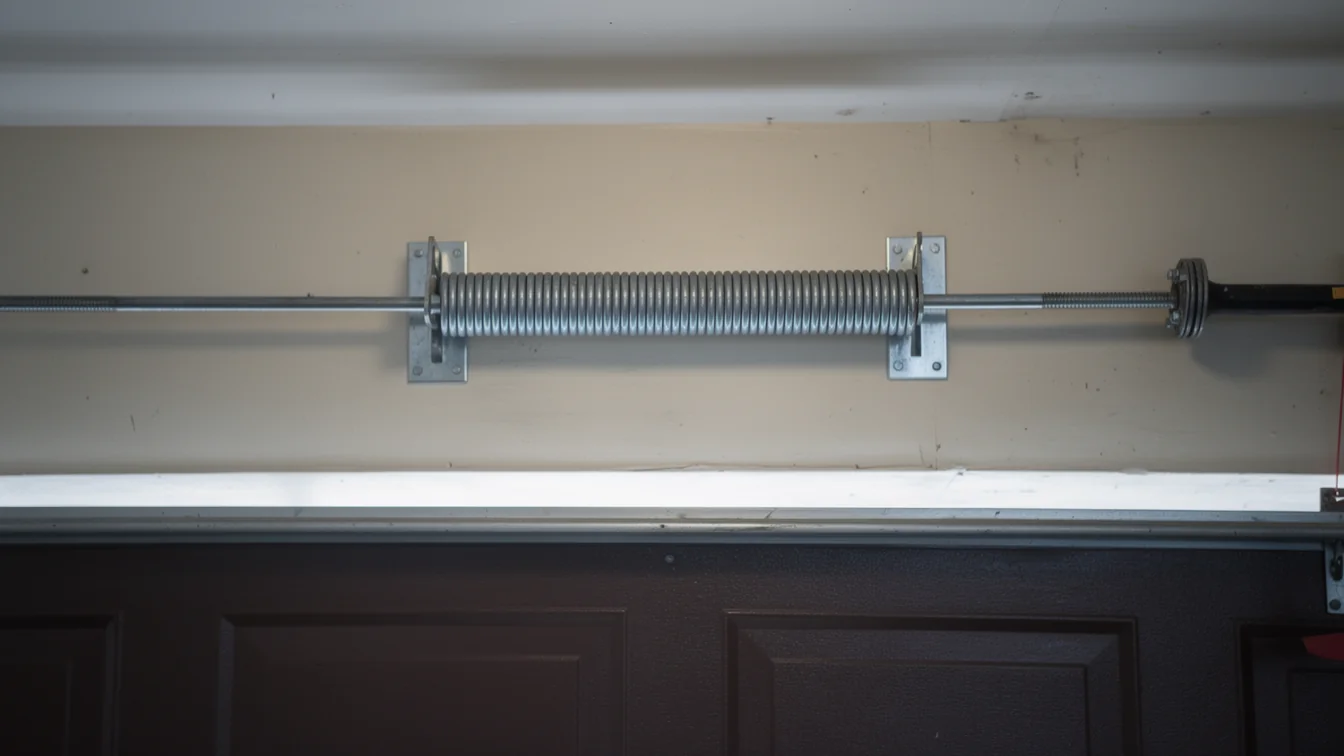
Mission sits in a severe-heat climate band, and that's the single biggest thing driving what your garage door needs this time of year. Steel expands in sustained heat, which means a torsion spring that was wound tight in a cooler month can bind differently once the slab and the door skin heat up through the afternoon. Nylon rollers and plastic idler bearings get soft in that same heat, and the grease inside a spring coil thins out and runs off faster than it would in a milder climate. None of this is dramatic on its own, but it adds up fast on doors that are already fifteen to thirty-five years old. Most houses we work on in Mission went up between 1987 and 2005, with the median build year at 1997 - so a lot of the original hardware is aging into failure right as the heat load peaks. The spring that's been fine for a decade doesn't necessarily fail in a cold snap here. It fails in July, mid-afternoon, when the lubricant's gone and the steel's already under more tension than it was designed to hold.
What to Check
Start with the spring. If it's rusted or you can see bare metal where the coating's worn through, that's a heat-accelerated wear pattern, not a defect - get it looked at before it lets go under load. Check the opener's travel limits; heat-softened weatherstripping changes how far the door needs to travel to seat, and an opener fighting the wrong limit setting burns out its gears faster. Look at the nylon rollers for flat spots or a chalky, brittle look - that's heat breaking down the plastic, and it's common on doors from the 1987-2005 stock that make up most of this area. Listen for the opener motor running longer or hotter than it used to; that's usually a sign the capacitor or the gear set is on its way out, and summer heat is what finishes it off. Last, check the bottom seal - in this climate it dries and cracks faster than people expect, and a cracked seal lets in more heat than it keeps out, which just compounds everything above it.
The Problem
Here's the actual failure pattern we see across this part of the service area: a door that's fine every spring, then fails in a specific way once the heat sets in and holds. The original springs on homes built in that 1987-2005 window - the median is 1997 - were wound and lubricated for a service life that assumed normal wear, not three decades of sustained Rio Grande Valley heat cycling the steel every single day. The grease breaks down years before the spring's rated cycle count runs out, so the spring starts binding on the shaft instead of turning smoothly. From the inside, that feels like the door getting heavier to lift by hand, or the opener straining on the last foot of travel. People usually call once the door won't open at all, but the earlier sign - slower, louder, hotter running - shows up weeks before that. With 43,024 owner-occupied houses in the service area carrying roughly this same age of hardware, this isn't a rare failure. It's close to the default one, and it clusters hard in early summer.
What Local Conditions Do
Across the 26 named communities this area covers - from Palmview South three miles out to places like Alton, Penitas, and La Blanca twenty miles further - the housing stock skews the same way: mostly 1980s and 90s construction, with a lot of it concentrated right around that 1997 median. That matters because it means the hardware problem isn't isolated to one neighborhood; it's the age of the housing, not the street, driving most of the calls. The severe heat band this whole area sits in is doing the real damage - cooking spring lubricant, softening seals, and shortening the working life of plastic opener components faster than the manufacturer's spec sheet accounts for. With a median household income of $48,777 across the service area, most owners we talk to want the spring or the roller fixed, not a whole new opener, and for a door that's otherwise sound that's usually the right call. Replacement only makes sense once the opener motor itself is cooked or the door panel's warped beyond adjustment - heat does that too, eventually, but it takes longer than people assume.
Frequently asked questions
Why does my garage door spring keep failing in summer instead of winter?
In a severe-heat area like this, the lubricant inside the spring coil breaks down from sustained heat long before the spring reaches its rated cycle count. The steel's also under more constant thermal stress here than in a milder climate. So the failure shows up in peak heat, not cold - the opposite pattern from colder regions.
My house was built in the 1990s - is that relevant to a garage door problem?
Yes. Most homes in this area were built between 1987 and 2005, median year 1997, which means a large share of original springs and openers are now 20 to 35 years old. Combined with the heat load here, that age range is exactly where we see the most failures.
Should I replace the opener or just fix the part that's failing?
If the motor itself hasn't burned out, fixing the specific worn part - spring, roller, seal - is usually the better call and the cheaper one. We only recommend full replacement once the motor's cooked or the panel's warped past adjustment, which takes longer than most people expect even in this heat.
Related garage door services in Mission
More garage door guides
Book garage door service in Mission
Call now or request a quote - tell us what the door is doing and where you are.